Practical routines that genuinely make life easier

During my months living in South Korea – and through countless layovers as a flight attendant – I kept noticing tiny habits of self-discipline that people quietly integrate into everyday life. As a European, proudly representing the Sloppy and Lazyish Western Hemisphere, where lazy, pyjama-clad comfort is often mistaken for self-care (still not sure how…), these habits fascinated me. In Korea, they become second nature within days. Yet the moment I land back home, or am on another layover, my brain behaves as if I’ve lived an entirely different life, and some of these slip through my fingers the moment a comfy couch enters the chat.
To imprint these into my cheese-brained mind – and perhaps yours – here are several simple and effective Korean self-care habits I admire:
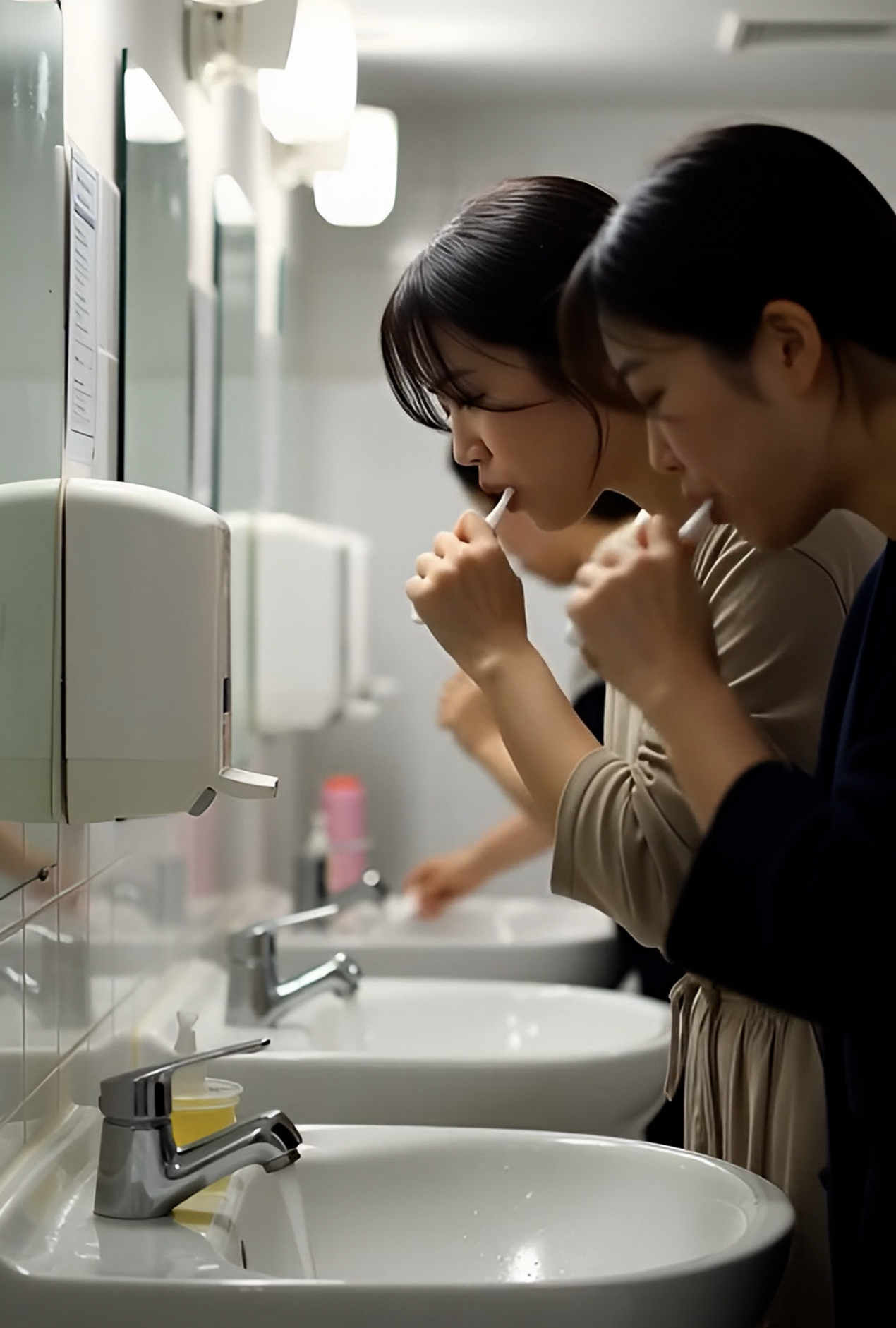
Brushing teeth on the go
One of the first things that caught my attention in Korea was how completely normal it is to brush your teeth after every meal, no matter where you’ve eaten. People at offices line up with their travel dental kits. Students brush after cafeteria lunch. Even on flights, passengers form neat little queues at the lavatory to refresh themselves for the second half of the journey. As someone who spends half her life on planes, I found this incredibly sensible. Naturally, I now always carry my own Korean dental kit in my handbag.
But do I use it in American or European public restrooms after eating out? Absolutely not. The moment I leave Korea, this habit gets wiped from my mental hard drive. Or maybe it’s because nobody else follows along.
Stretching
In Korea, stretching is practically a morning reflex. People loosen their neck, back, and hips before diving into the day. Even during long-haul flights, travellers discreetly rotate their shoulders, wrists, and ankles or even get out of their seats to embark on a full stretching routine in any space they can find. And as an honest piece of advice from an above-the-clouds professional (aka flight attendant), anyone sitting in an economy seat for eight-plus hours should do the same – it helps circulation, reduces swelling, keeps joints from stiffening, and simply makes you feel more human halfway across the world.
And yet, despite knowing every single benefit, including the fact that I should stretch before and after workouts and runs, I somehow never get into the routine at home. I routinely realise my shoulders are creeping towards my ears before remembering that stretching is a thing humans can do.
Movement breaks and getting outside
Another habit I observed everywhere: Koreans rarely sit still for hours on end. Between tasks, people stand up, walk around, shake out their limbs, stretch casually, or grab a quick breath of fresh air. Walking is also built into daily life – most short distances simply aren’t driven. Even in huge cities like Seoul, strolling for thirty minutes is considered completely normal.
I love this mindset. After long flights, I often go for long walks myself. And when I say long, I mean it: one time in Beijing I clocked 26 km in a single day (that’s a half-marathon distance) simply because I felt like it. Walking reduces stress, resets the brain, supports digestion, and, frankly, does the planet a favour. Leave that unnecessary car key at home when you’re just running a quick errand.
Instead of meeting for a meal, you can also meet for a walk. You still get dinner afterwards, and you’ve moved your body in between. If you want to try it out, SeoulShare organises plenty of walking meetups (check out meetup.com for their current schedule) – perfect for making new friends and easing into healthier habits.
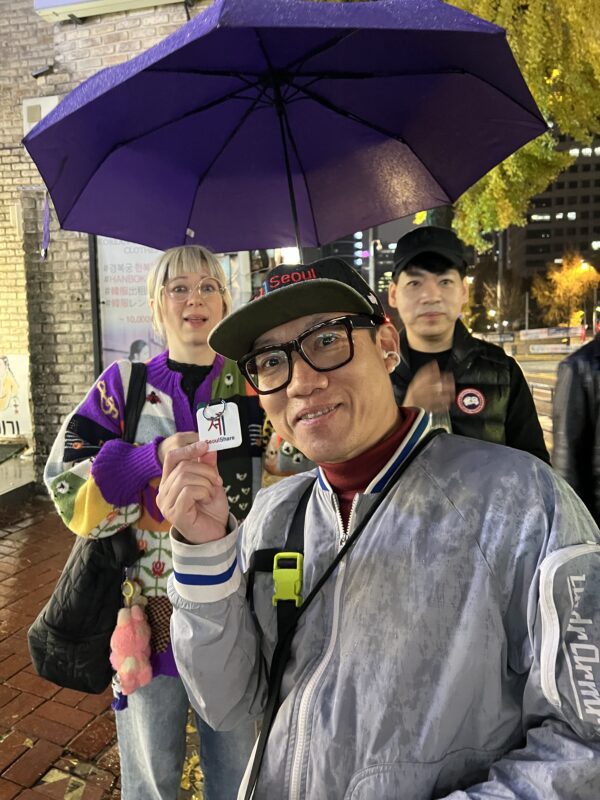
Hiking fits seamlessly into Korean life too. With mountains always nearby, people of all ages head out early, often with a thermos of tea, for a gentle climb. When I lived in Seoul, I hiked once or twice a week – Namsan or the city wall during the week, longer trails on weekends. Back home? I somehow convince myself that walking to the kitchen to switch on my coffee machine totally counts as physical activity.
Eating well
Healthy eating is one area where I surprisingly never struggle – whether I’m in Korea, at home, on a plane, or wherever else work has taken me. In Seoul, everyday meals include kimchi, other fermented banchan, hearty jjigae, fresh vegetables, bibimbap bowls, and gimbap. Back home, I live off salads, protein, and sauerkraut.
And here’s the best part: most SeoulShare events end with a hearty shared meal. After walking, hiking, or stretching your legs around the city, sitting down together is the perfect way to round off the day. Because once you’ve looked after your body, a comforting meal with good company is the best self-care for the soul.
These habits are small, practical, and rooted in everyday discipline – something I admire deeply because it feels increasingly rare in the comfort-driven West, where we slowly morph into oversized blobs due to a lack of movement, fresh air, and daily body care. If you want to integrate a bit more activity and mindfulness into your own routine, joining a walk or hike is the easiest start. You can find upcoming SeoulShare walking and hiking events on meetup.com to give you that gentle nudge towards a steadier, more intentional rhythm.