
Seoul (and Korea as a whole) is becoming more global, more diverse, more worldly.
The world is getting more international by the minute and Seoul is no exception. Over the past decade, the number of foreigners living in Seoul has jumped substantially. As of Q3 2024, Seoul officially recorded 254,424 foreign residents in the city proper.
Back in 2010, the foreign population in Seoul was only about 255,500 total in the whole city, meaning foreigners were a tiny fraction of the population.
At the national level, South Korea’s foreign population has also surged: by the end of 2024, there were 2.65 million foreign nationals living in Korea, exceeding 5% of the total population.
A decade ago (2015), that number was closer to 1.9 million — so we’ve seen an increase of ~750,000 in under ten years.
You might think that with so many expats and international travelers around, everyone just speaks English. But reality check: while English is a powerful global bridge, it has limits, especially in emergencies or more nuanced situations.
If you’re traveling or living abroad for a while, being able to express certain vital things in the local language (or at least partially) can make a huge difference. One thing I’ve noticed: many people forget to prepare for situations where clear, direct communication is essential.
When Things Go Wrong in the Sky
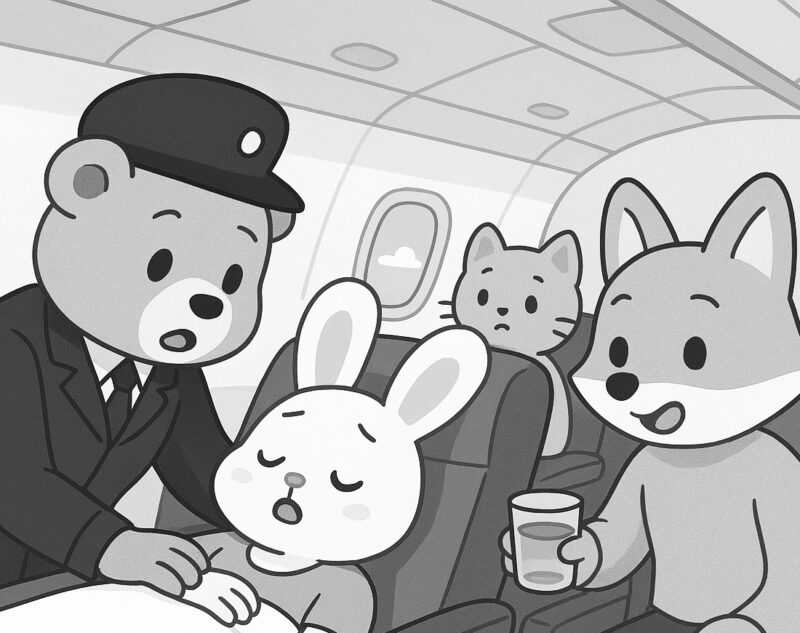
I’m a flight attendant who zips around the globe, and I’ve seen my share of unexpected moments. On one particular flight from Seoul to Munich, we had two medical incidents onboard. Even though flight crews are trained, we rely a lot on clear information from passengers and fellow travelers to act quickly and correctly.
And that’s exactly why I urge you: if something happens to you abroad (or even midair), could you communicate these essential questions — in the local tongue or at least point to them clearly?
The Critical Medical Questions You Should Know
| English Question | Korean Translation |
| What’s your name, age, and location? (If in plane: seat number) | 이름이 뭐예요? 나이 얼마예요? 위치가 어디예요? (비행기 안이면 좌석 번호는요?) |
| What symptoms are you experiencing? (sickness, dizziness, cramps, fatigue) | 어떤 증상이 있나요? (메스꺼움, 어지러움, 경련, 피곤함) |
| Have you had these symptoms before? | 이전에 이런 증상이 있었나요? |
| Do you regularly take any medication? | 평소 복용하는 약이 있나요? |
| Did you take any medication today? | 오늘 약 복용하셨나요? |
| Do you have any allergies? (e.g. food, pollen, medication) | 알레르기가 있나요? (예: 음식, 꽃가루, 약 등) |
| Is there any medical history we should know about? | 알고 있어야 할 병력이 있나요? |
| Are you traveling alone or is there someone we can contact? | 혼자 여행 중이신가요, 아니면 연락 가능한 사람이 있나요? |
You don’t have to memorize all of them, but even recognizing “알레르기” (allergy) or “증상” (symptom) can help a lot.
Pro Tip: Carry a Mini Medical Info Card
If you feel awkward speaking another language, or if you have a complicated medical history I recommend carry a small card with key info in both English and the local language. Something like:
- Name / Age / Country
- Known conditions / allergies
- Current medications
- Emergency contact
Show it, point to it, hand it over — it helps save precious seconds. Especially in situations where every second counts.
The world is more connected than ever — in Seoul, more people from abroad call it home than a decade ago. But connection doesn’t always equal flawless communication. English is super useful, but it doesn’t replace the clarity you might need in serious moments.
My encouragement: prepare just a little. Learn (or carry) those few medical questions in the local language. It might feel awkward, but if there’s an emergency, having that little bridge can make all the difference.
That being said: If you’re staying somewhere for an extended period, I highly recommend learning the local language. Not only does it help you handle practical situations, but it also allows you to immerse yourself in the culture in a way no app can replicate.
While Duolingo may be a fun little learning app, with delightful sentences like “dogs dancing in libraries” or “bears needing to purchase purple bras,” there are certain words and phrases you should prioritise over the little green owl: the ones that help you communicate safely, politely, and confidently in real life.