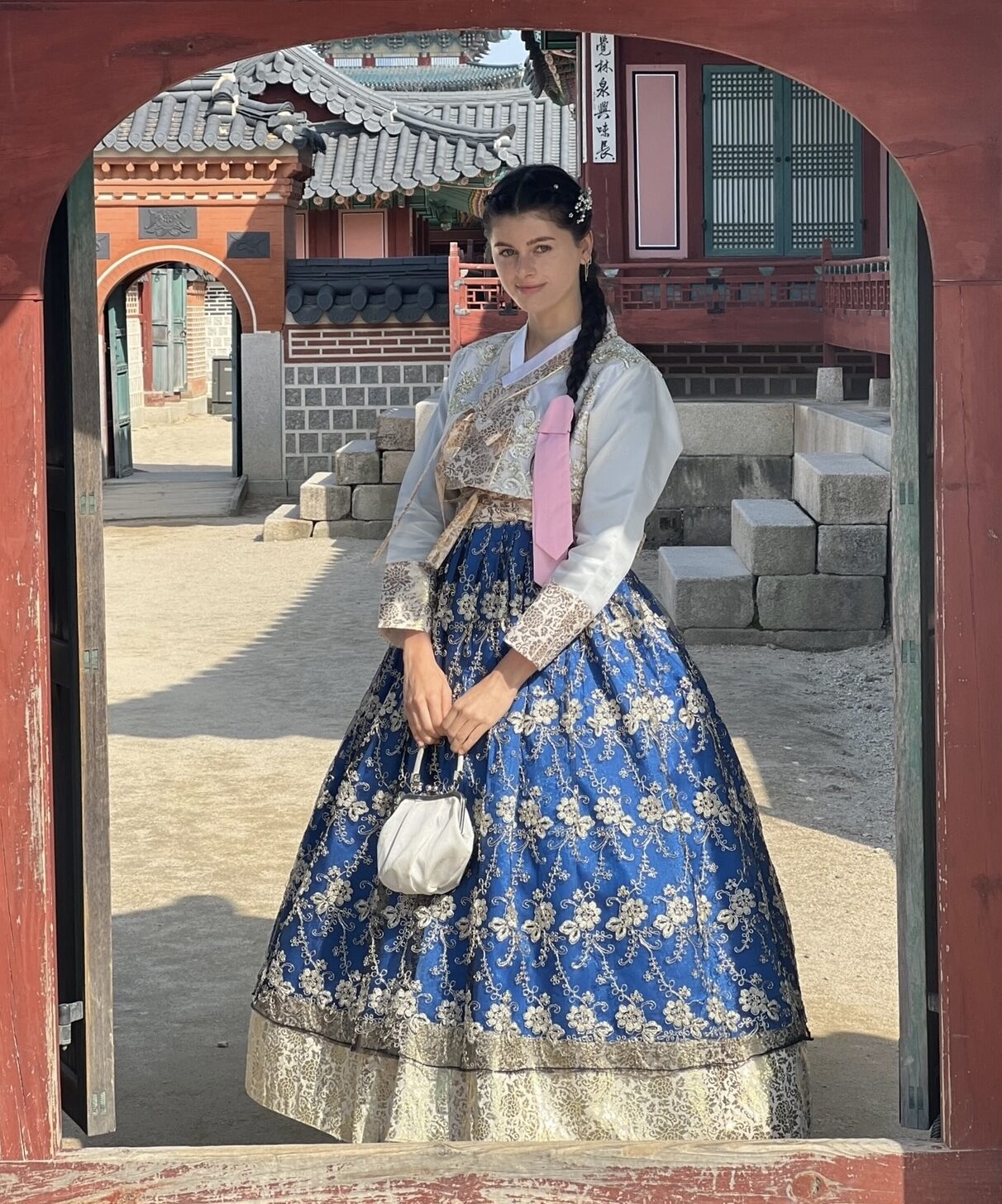
I got the chance to interview Hannah, a friend of mine that I met through SeoulShare two years ago. I found her achievements so impressive that I wanted to write an article about her: At 19 years old, after finishing High-School, she decided that she wanted to get into the Asian entertainment industry and came to South Korea with an Entertainment (E-6) Visa. For three years now she has done a variety of everything she can do, from modeling on the runway at the Seoul Fashion Week to acting in a music video for world-class K-Pop band Stray Kids. In my talk with her, I asked about how she started out, how she changed and what advice she would give for others who want to pursue the same dream.
Starting from zero in Korea’s entertainment industry
After graduating High-School in Australia, Hannah was looking around for opportunities in the entertainment business in her home-country. She recalls that she has always liked being on camera and doing fun stuff ever since she was little so that was the direction she wanted to pursue. Perth, where she is from, has a film industry but it’s pretty small, she says, so she was considering Sydney, Melbourne or even America. But she was more drawn towards Asia and decided on South Korea because of the popularity of K-Pop and K-Dramas.
She came to Korea with only little prior experience but a clear vision of what she wanted. She didn’t wait to get scouted in the streets but took matters into her own hands: she looked up modeling agencies in Seoul, made a list and applied to every single one. Impressive, right? Eventually she got a reply from an agency that also offered her a visa, which is a sign that this a legit company, and she signed with them. Hannah went back to Australia for 3 months to have her visa processed and then officially started out in Korea.


The Pros & the Cons
For the last 3 years she stayed with that agency. I asked her about her experiences with that agency, she answered:
“There are some really good agencies that find a lot of jobs, but especially if it’s a new agency, there’s no way of telling what they are going to do. I’d say 9/10 agencies don’t find you work. They do apply for you a little bit but the chances of getting jobs that way are low because of the high number of applicants.”
So, she didn’t just rely on her agency but kept her eyes open and applied for jobs herself as well. Concerning the money that comes out of those jobs, she says that one should be prepared to earn less than they might think their work is worth. It’s also important to consider that the agency does take a certain percentage of the earnings as commission.
“Once you get a job, unless you already have a career and land a main role, it often is kind of low pay. Most of the people I know don’t make enough money to even make ends meet.”
When it comes to the work itself, it’s also not as glamorous as it might seem. She shares her experience in the Korean entertainment industry as an insight for people who want to try out this work:
“One of my least favorite parts of this job is the treatment as an extra. It’s not about being treated as a celebrity or anything but sometimes the working conditions can even be called inhumane. Not at all jobs, of course, but there were some instances that were pretty memorable in a bad way, like standing in heels in the sun for hours and not being allowed to go to the shade or bathroom (…). I was at a three day shoot where we had four hours of sleep between each day. So, whoever wants to try this work should definitely be prepared for the lack of sleep.”
All these points might sound negative, so what is it that keeps her going? Because that’s what she wants to do and this is exactly where she wants to do it!
“When you do find good work it’s the most fun thing- you get food, the pay is good, you get treated like a celebrity and you also get to meet celebrities. Of course you have to stay professional and not interact with them but it’s still pretty cool. (…) and I get to be in Seoul! That thought keeps me going.”

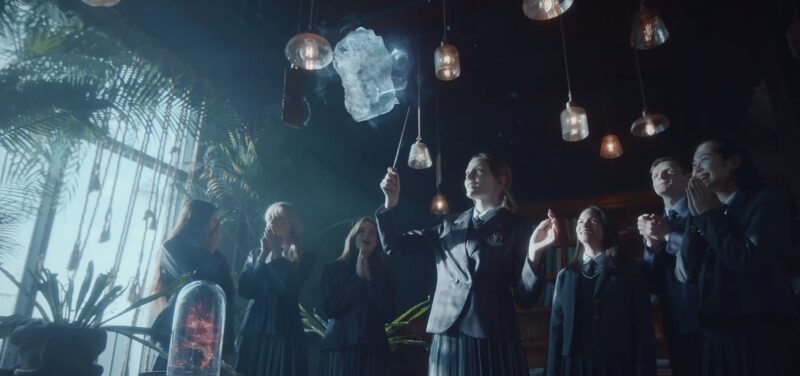
How the Korean entertainment industry changed Hannah and of her next steps
She remembers that there were some moments when she thought about going back to Australia because she really misses her family. But in the end she decided to stay in Korea for her career. They came to visit her a couple months ago and she will go visit them as soon as possible as well. The goal is to work super hard and make enough money to visit them often- but right now her focus lies on her work. She has moved to a new agency, which focuses on vertical dramas: 60 one-minute episodes of entertaining and addictive content in a vertical format, perfect for Instagram and tiktok. She’s excited about projects coming up in the future.
When asked to look back and reflect how she has changed in the last 3 years working in the entertainment industry in Korea, Hannah laughs and tells me that her speech is changing. Nowadays, people don’t believe that she is Australian. When she had been speaking in her natural accent Koreans couldn’t understand her so she adapted a slower, more American accent. On the other hand, her Korean skills have not made as much progress as she’d like. She tries to visit classes and do some studying by herself, but since she doesn’t have much time, her progress is slow.
But at least having the basics down in Korean is pretty valuable in this line of work, she says. Especially when it comes to networking with Koreans. Of course having good connections is very useful in any business, but when it comes to freelancing, who you know is everything. Figuring out which agencies, websites, group-chats and people to contact- and how to contact them- has played a big part of her learning process.


Some good advice
Altogether, Hannah gave a lot of advice during the interview, that can be valuable for people who want to come to Korea with an E-Visa. Let’s check out the key-points:
- Be prepared to not earn much money, for rough working conditions and lots of competition. Do your research on agencies to avoid being scammed.
- Be patient and don’t give up. Some people take off straight away but that’s very rare. It can take years to get into the industry.
- Show initiative. Search for jobs and apply by yourself. Create a network for yourself.
- Skillset: Having experience and a portfolio are a plus. Also, knowing Korean will definitely get you more opportunities.
Lastly, she gives some words of encouragement:
“If they want to come here they should pursue their dreams. If they keep pushing and give it time, it can be lots of fun!”
Have you considered going to Korea with an E-6 visa? Do you have any special questions about it? Let us know in the comments!
Also, want to know more about Hannah? Click here for her Insta!